2025 was the year we realized that mead is more than a drink. It’s a way to give back, support local ecosystems, and celebrate the people who make our community feel like home. Here’s how we contributed this year.
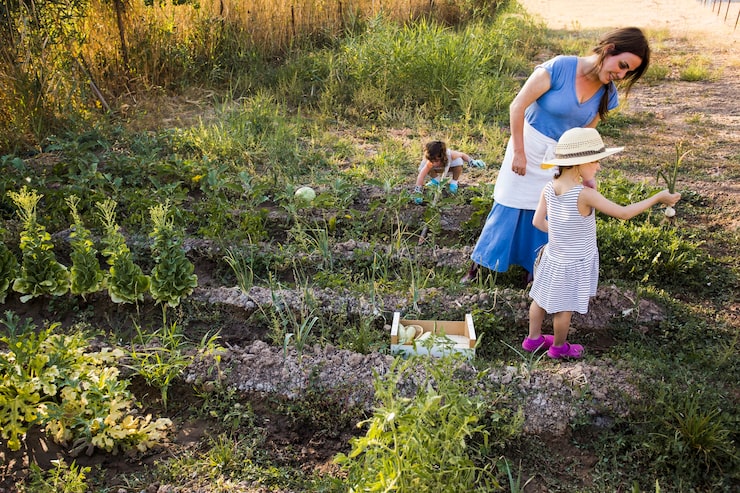
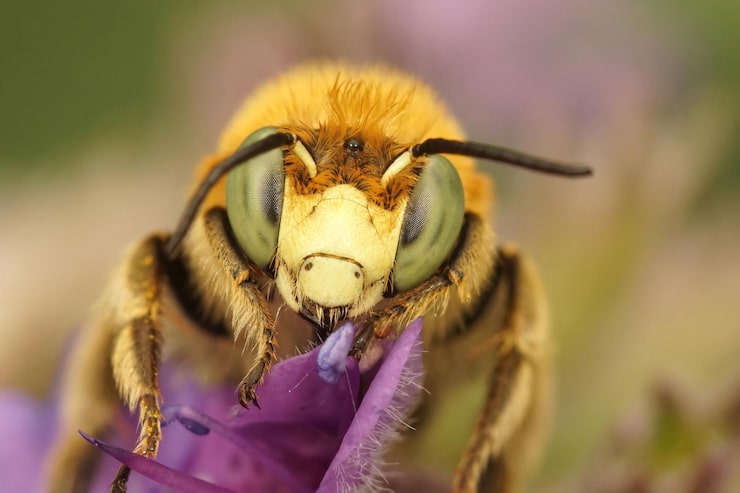
protecting local pollinators We funded small pollinator-friendly initiatives across the region, including wildflower patches, seed drops, and community garden partnerships. This effort created additional habitat for bees and other essential pollinators.
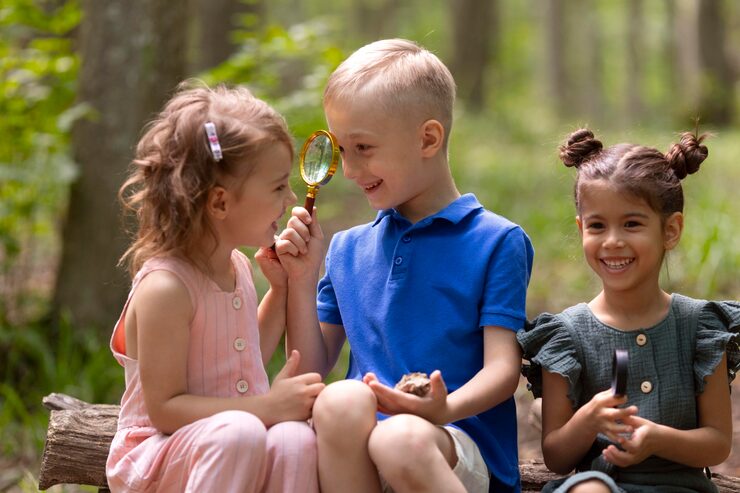
supporting local education We brought tasting workshops and bee-education sessions to student groups, teaching how honey is made, why pollinators matter, and how mead fits into sustainable agriculture. These sessions reached dozens of students and gave them hands-on learning experiences.
partnering with local makers All of our ingredients, packaging, and creative elements were sourced from nearby artists and small businesses whenever possible. This allowed us to reinvest in the local economy while supporting fellow creators.
low-waste, low-impact production We tested low-waste brewing methods and repurposed leftover ingredients in creative ways, including limited-edition infused honeys. These steps reduced overall production waste and improved efficiency.
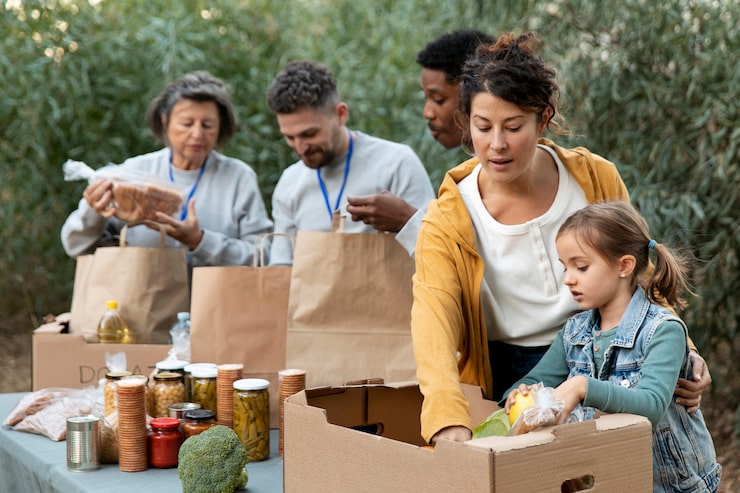
community events From market pop-ups to sustainability fairs, we showed up for the people who support us. We donated bottles for fundraisers and participated in events that encouraged connection and awareness.
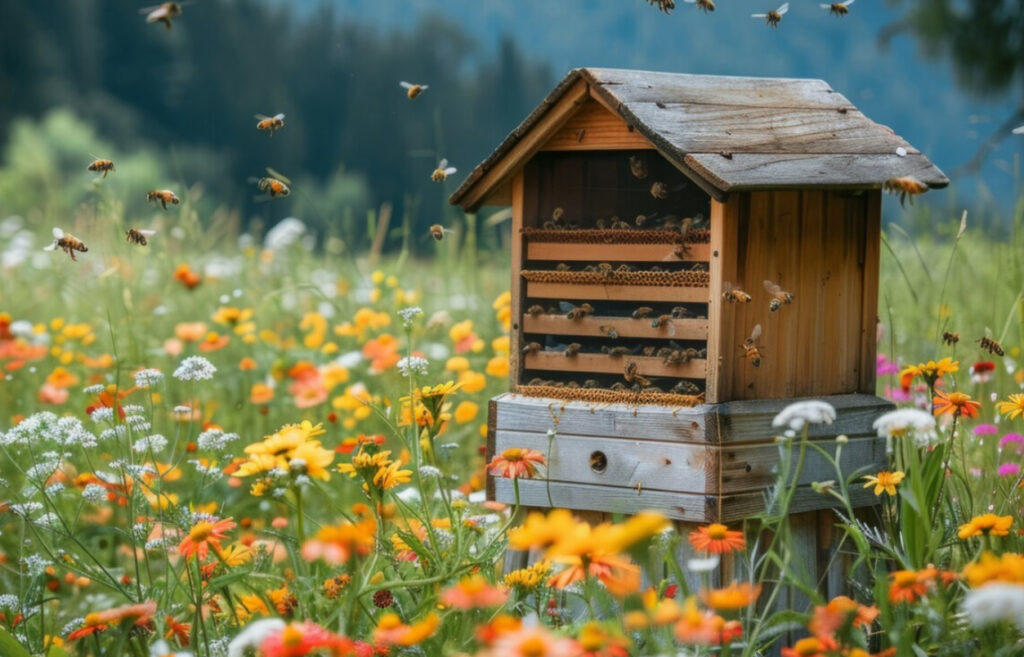
rescue hive program We found a struggling wild hive in nature and, with the help of a certified beekeeper, gave it a safe home to recover. The colony is now thriving and producing light, floral honey that inspired one of our 2025 meads. This impact was the inspitation behind starting the rescue hive program, whose aim is to help more struggling colonies in 2026.
Every bottle shared, gifted, or enjoyed helped us support pollinators, small creators, and the wider community. 2025 was just the beginning, and we’re excited to continue building impact in the years to come.
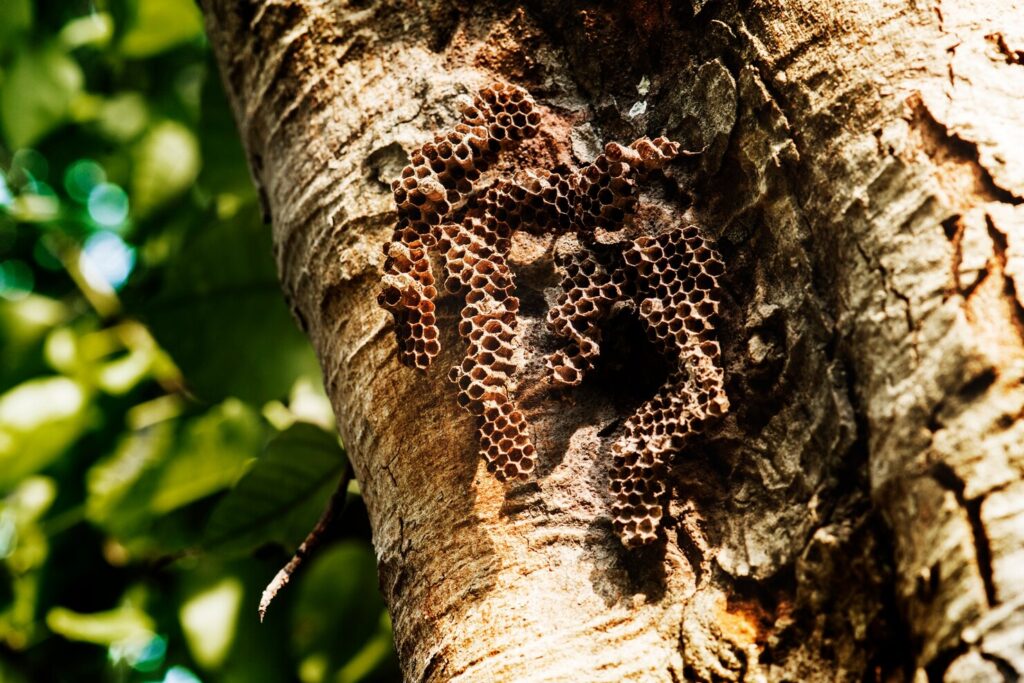
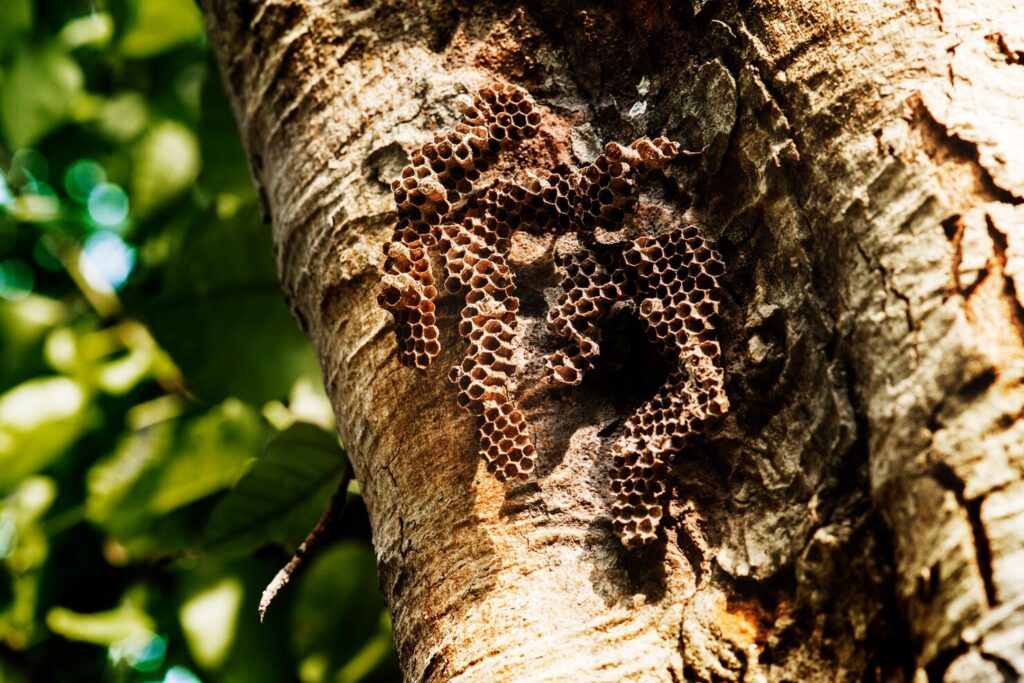
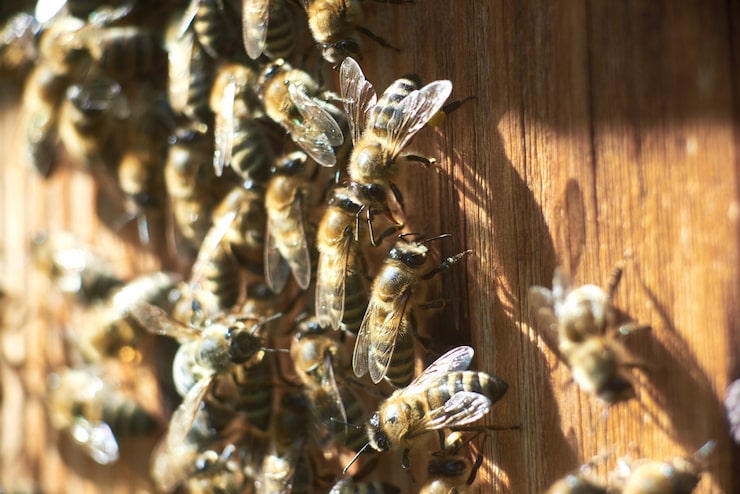
We came across the hive on an early spring walk, tucked inside a hollow tree that looked like it had been their home for years. But the moment we got close, we knew something wasn’t right. A healthy wild hive has a certain energy. The steady stream of workers coming and going, the faint hum from inside, the occasional guard bee checking you out. This hive had none of that. Only a handful of bees were moving in and out, and those that did seemed slow and tired. The entrance had debris buildup, which usually means the colony doesn’t have enough strength to keep it clean. Wild hives can decline for lots of reasons: harsh winters, parasites, poor forage, or even stress from nearby agriculture. Whatever the cause, this colony was clearly struggling to keep itself going.
why we stepped in
Normally, it’s best to let nature do its thing. But in this case, leaving the hive meant almost certain collapse. Spring was just beginning, and a weak hive at that time of year rarely recovers on its own. We contacted a local beekeeper to assess the situation, and they confirmed what we suspected: the colony needed intervention if it had any chance of survival. With permission from the landowner, we decided to relocate them before predators, weather, or disease finished the job.
the relocation
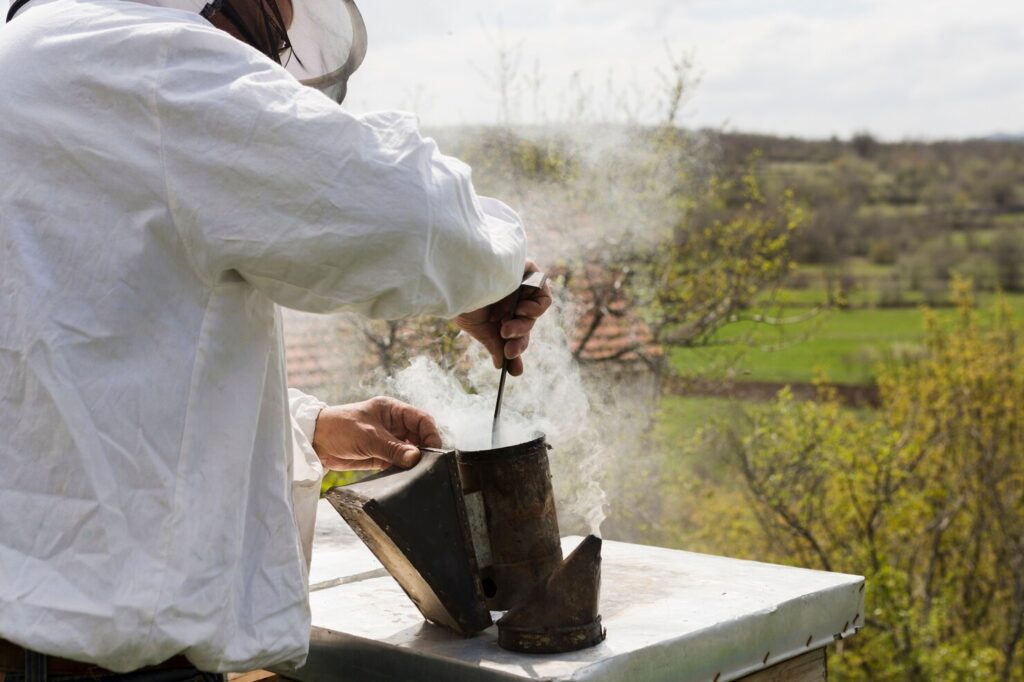
Moving a wild hive isn’t simple. Everything has to be done carefully. This means slow movements, minimal disruption, and lots of smoke to keep the bees calm. We transferred the colony into a new hive box, giving them proper frames, ventilation, and insulation. This alone increases their odds dramatically, since wild cavities can be cramped, damp, or unstable. Once they were secured, we transported them to a meadow where we knew they’d have everything they needed: clover, wild mint, berry blossoms, and a mix of pesticide-free wildflowers. Good forage is the foundation of any healthy colony, and this location had it in abundance.
meet queen marmalade
Every comeback story needs a main character, and in this hive, it was the queen. She was young, small but steady, and once settled in the new box, she started showing real potential. We named her Queen Marmalade because her brood pattern was warm, golden, and consistent, a sign of a queen who’s determined to rebuild. Within a couple of weeks, the hive began to look and sound different. More workers, more activity at the entrance, more confidence in their movements. It was the first sign that the relocation had worked.
their recovery
By early summer, the hive had nearly doubled in strength. Workers were collecting pollen in shades of yellow, cream, and bright orange, a good indicator of diverse forage and a healthy environment. They built fresh comb, expanded their brood nest, and started storing enough resources for both the queen and the future generations. What once felt like a fading wild hive was now functioning like a proper colony again.
their honey profile
Although we don’t harvest from rescued or recovering hives (they need every drop of honey for themselves), we still get to observe what type of honey they make based on the nectar around them. Queen Marmalade’s colony produces a light golden wildflower honey with: • soft floral tones from clover • a clean, summery sweetness • subtle minty notes from wild mint and meadow herbs • a bit of berry blossom brightness It’s the kind of honey that tastes like early summer; delicate, balanced, and full of local character. Some of our flavour drop ideas actually came from watching what plants the bees prioritized.
why this hive matters
Rescuing this colony does more than help one hive. Each healthy bee colony increases pollination in surrounding areas, supports local biodiversity, and strengthens the long-term stability of pollinator populations. For us, this hive represents the heart of what we want Beebuzd to be about: sustaining the ecosystems that make mead possible and giving back to the species that make the whole process even exist.
Queen Marmalade and her workers are now thriving, and we’ll keep sharing updates as they grow, from seasonal behaviour to foraging patterns to whatever surprises they throw at us next.
The funniest part about mead’s origins is that… we literally have no idea when it started. Humans discovered mead by accident. Nature threw honey, water, and wild yeast together, and someone brave (or thirsty) enough took a sip. Suddenly humans were like, “Wait. This is good.” And history was born.
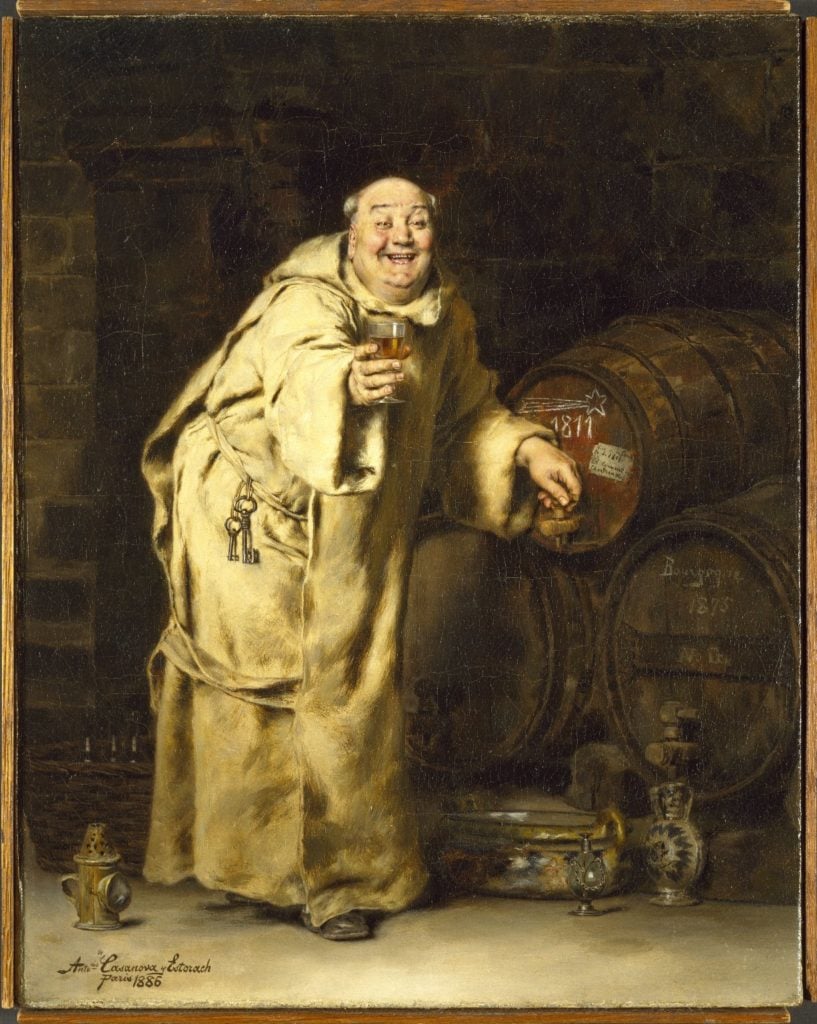
Archaeologists have found evidence of fermented honey drinks in China around 7000 BCE, which makes mead older than the pyramids and almost older than the concept of “time.” Meanwhile, African cultures like the Oromo and the Maasai have traditions of honey wine that stretch back thousands of years. The ancient Greeks were sipping it, the Vikings were chugging it, and medieval monks were perfecting it.
Basically, if humans existed, and honey existed, mead existed.
mead & mythology
Mead wasn’t just a drink. It was the drink.
The Vikings believed mead was a gift from the gods. Their version of the “champagne of celebration” was mead, drunk from horns the size of your leg. Apparently, nothing screams “Skål!” like honey alcohol.
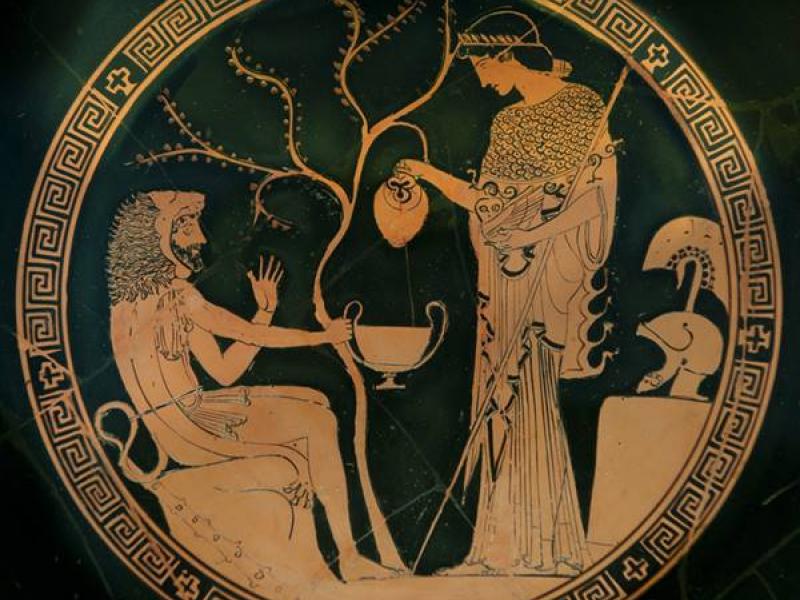
The Greeks called it the “nectar of the gods.” Yes, the same gods who caused war, jealousy, and questionable family dynamics.. so you know mead made an impression.
In Celtic cultures, mead was the drink of kings. No coronation or celebration was complete without it. If you were important, you drank mead.
It was also considered medicinal. People genuinely believed mead could cure sadness, nerves, stomach problems, and possibly broken hearts. Honestly, relatable.
mead goes medieval
In medieval Europe, mead hit its peak. Monks, royalty, and peasants. Everyone wanted a piece of the honey magic.
Honey was pricey, so mead became synonymous with luxury. Taverns offered cheap versions mixed with herbs, while monasteries created meads so complex that modern craft brewers still try to recreate them.
Fun fact: the term “honeymoon” comes from mead. Newlyweds were once given a month’s worth of honey wine to boost fertility and happiness. Whether it worked or not is still up for debate, but the tradition? Iconic.
the downfall (blame sugar & beer)
Mead’s fall from the throne was dramatic. As trade routes expanded and sugar became affordable, honey lost its spot as the main sweetener. Beer became cheaper and easier to make. Wine got classier and more accessible. And mead quietly slipped into the background like a forgotten medieval celebrity.
Honey stayed special, but mead? People just… moved on.
the sweet comeback
Fast-forward to today and mead is thriving again, thanks to craft brewers, cocktail culture, and people on the internet discovering that Vikings drank it so it must be cool.
Modern meaderies (like us!) experiment with:
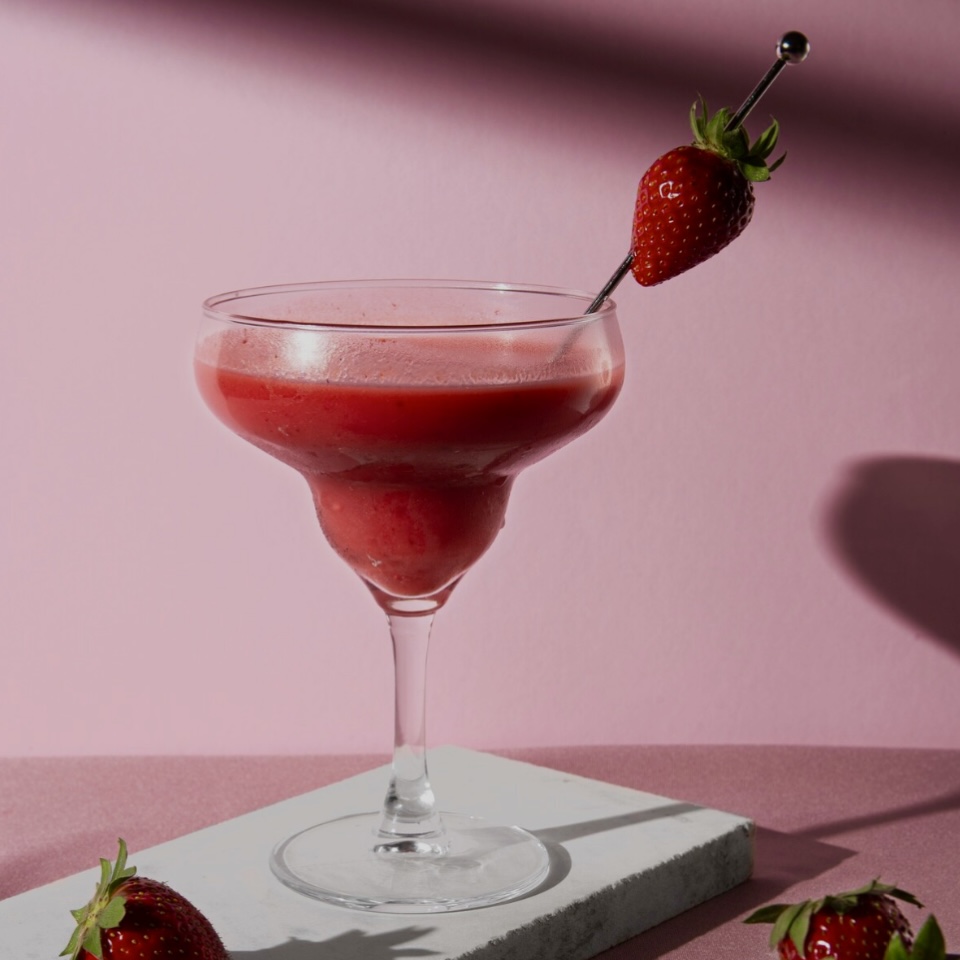
fruit-forward melomels
crisp session meads
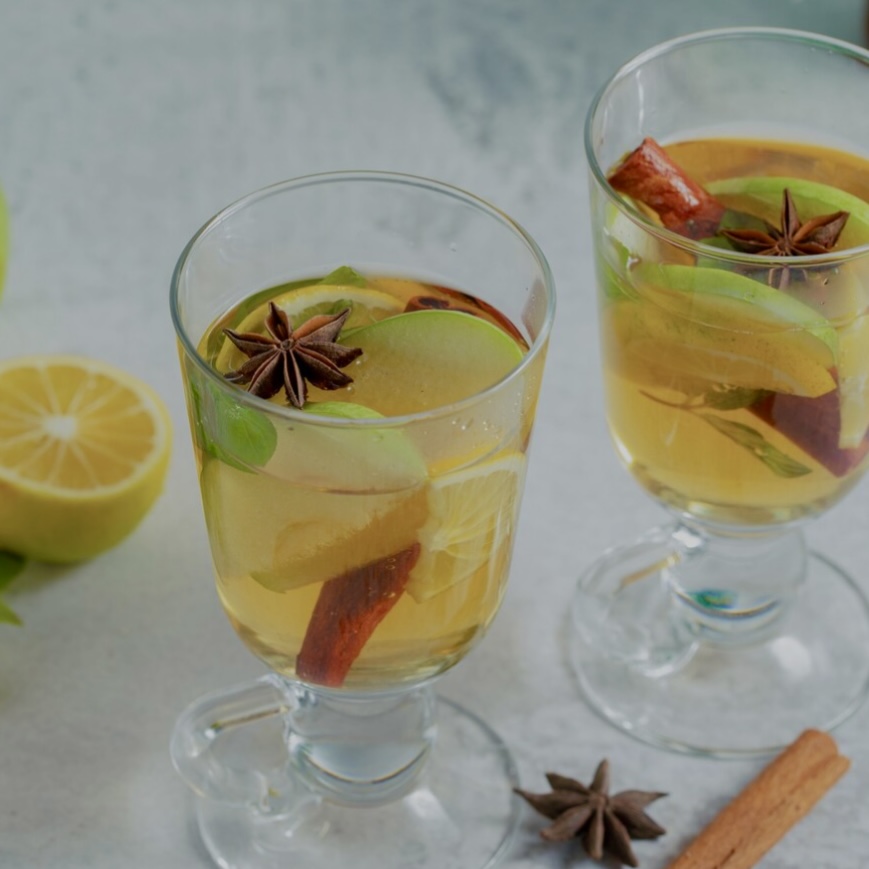
spiced, wintery varieties
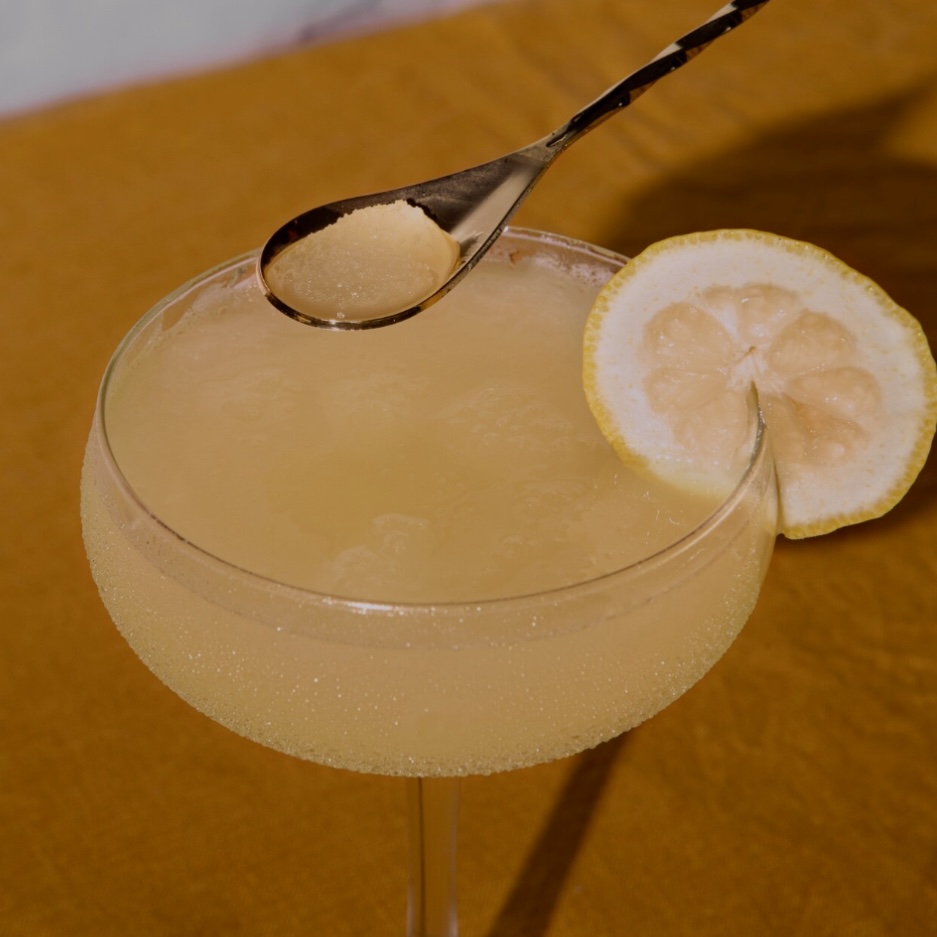
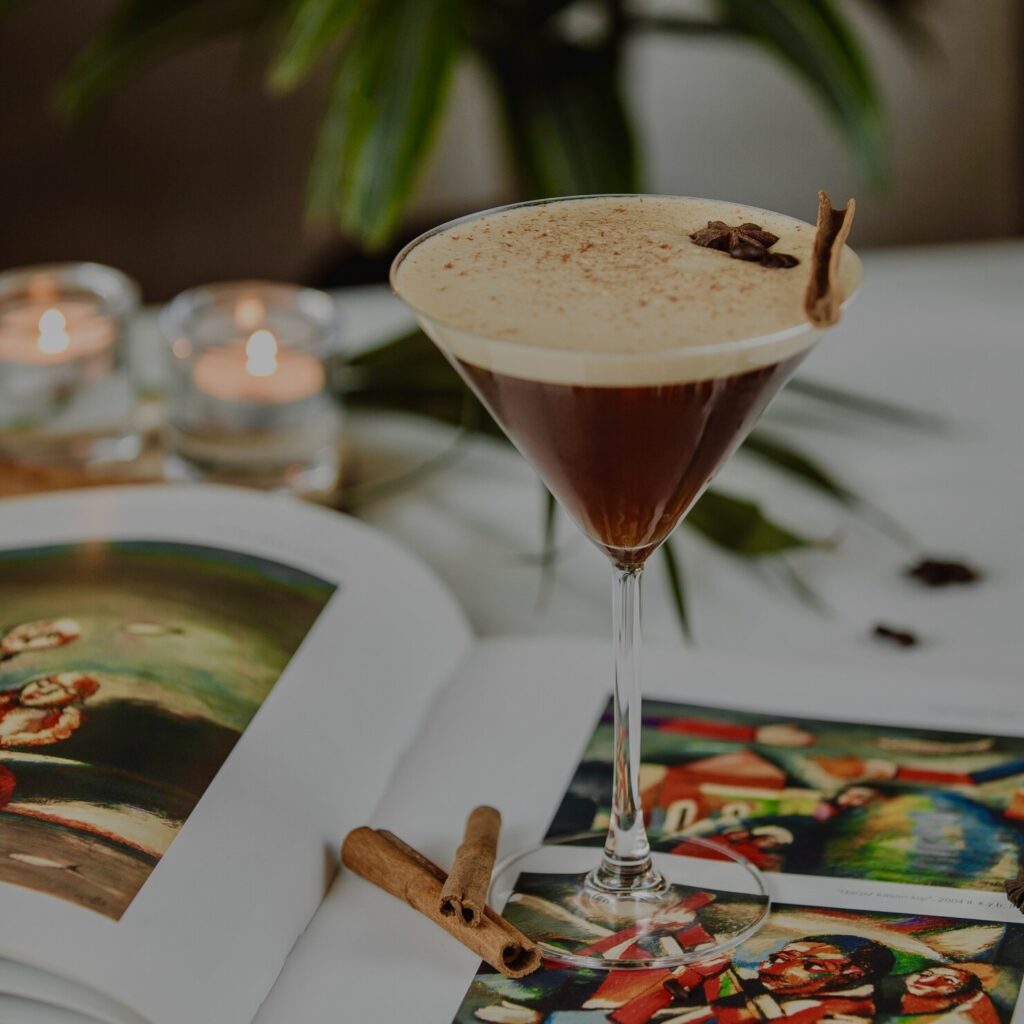
cocktail-style blends
It’s a renaissance of creativity, and mead is finally getting the spotlight it deserves. Some might say it’s the perfect blend of ancient tradition and modern vibes.
why mead still matters
Mead is storytelling. It’s nostalgia. It’s history in a glass. It connects us to people who lived thousands of years ago, all through the simple magic of honey and fermentation.
Whether you drink it warm, cold, spiced, fruity, sparkling, or strong enough to change your night… you’re sipping the world’s oldest love potion. And honestly? That’s pretty sweet.
Mead is one of the oldest alcoholic drinks in the world, and it’s surprisingly simple at its core. But don’t let that fool you. Behind every golden sip is a careful process that blends science, patience, and a little bit of magic. If you’ve ever wondered how honey turns into a delicious, drinkable mead, here’s a behind-the-scenes look, step by step.
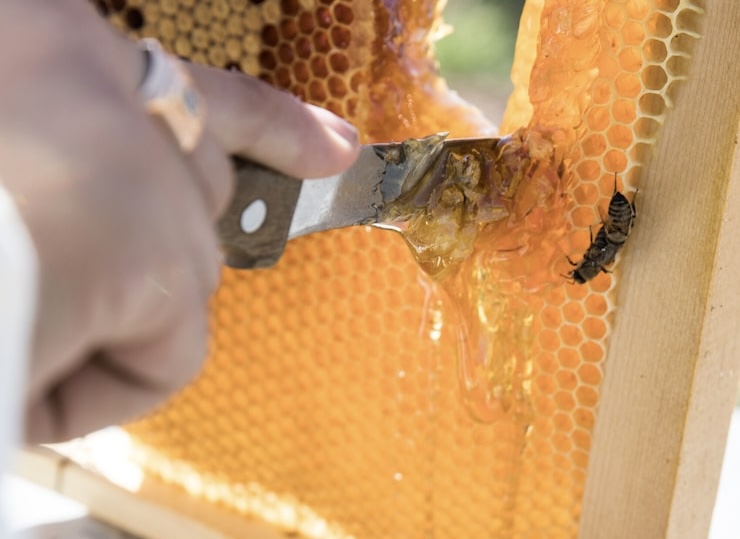
Step 1: Choosing the Honey Everything starts with the honey. Not all honey is created equal. Some are mild and floral, others rich and robust. The flavour of your mead depends heavily on this choice, so selecting the right honey is crucial. Some mead makers even blend varieties to create a more complex base.
Step 2: Preparing the Must Once the honey is chosen, it’s time to create what’s called the must. This is simply honey mixed with water, usually in a specific ratio to control sweetness, alcohol content, and texture. Stirring the must well ensures the honey dissolves completely and evenly, forming a smooth, golden liquid that’s ready for fermentation.
Step 3: Yeast Selection and Addition Next comes the yeast, the tiny living organism that turns sugar into alcohol. Choosing the right strain is important because different yeasts can produce slightly assorted flavours and aromas. Once added to the must, yeast begins its work slowly, consuming the sugar and producing alcohol, carbon dioxide, and subtle flavour compounds that give mead its character.
Step 4: Fermentation Fermentation is where the magic truly happens. Depending on the style of mead, this can take a few weeks to several months. Patience is key. During this time, the mixture is kept at a stable temperature and often tasted occasionally to track progress. The yeast works quietly, transforming the sweet honey liquid into a smooth, drinkable mead.
Step 5: Racking and Clarifying
Once fermentation slows down, it’s time to rackthe mead, meaning to transfer it off the sediment left behind by the yeast. This helps clarify the mead and ensures a cleaner taste. Some mead makers repeat this step multiple times over several months to achieve a crystal-clear final product.
Step 6: Flavoring
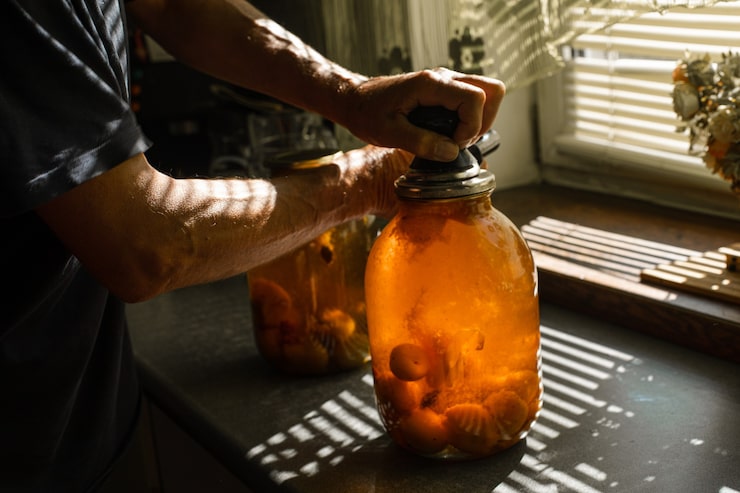
Here’s where things get fun. After our mead is ready, we add fruits, herbs, and/or spices to enrich the flavour.
Step 7: Bottling and Aging Finally, the mead is bottled. Some meads are ready to drink right away, while others benefit from a little extra aging to mellow the flavors. Once bottled, the mead continues to evolve slowly, just like a fine wine, gaining subtle depth and smoothness over time.
Step 8: Enjoying And finally… the best step: drinking it. Whether neat, chilled, or mixed with your favorite drops, the result is a golden, honeyed beverage full of history, flavor, and personality.
Making mead is a blend of science and art. It takes patience, attention to detail, and a little bit of experimentation. But the reward? A drink that’s not only delicious but steeped in tradition, with endless possibilities for creativity. Next time you sip a mead, you’ll know exactly how those golden drops came to life.