from jar to bar: how we make our mead
Mead is one of the oldest alcoholic drinks in the world, and it’s surprisingly simple at its core. But don’t let that fool you. Behind every golden sip is a careful process that blends science, patience, and a little bit of magic. If you’ve ever wondered how honey turns into a delicious, drinkable mead, here’s a behind-the-scenes look, step by step.
Step 1: Choosing the Honey
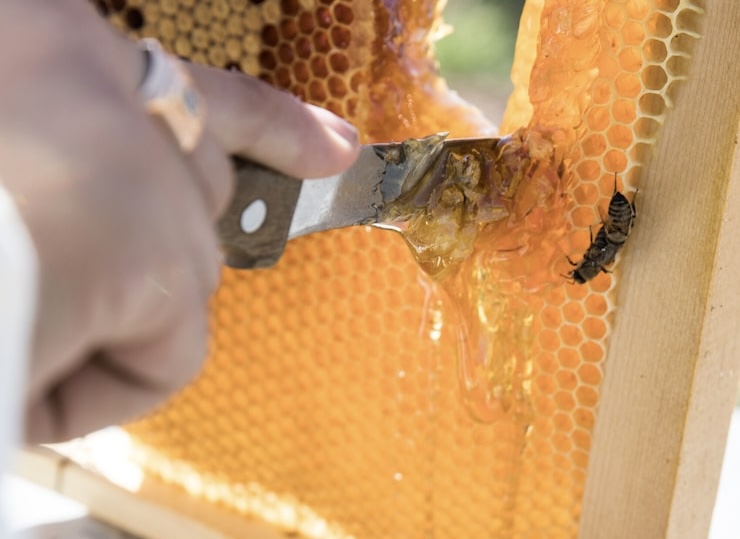
Everything starts with the honey. Not all honey is created equal. Some are mild and floral, others rich and robust. The flavour of your mead depends heavily on this choice, so selecting the right honey is crucial. Some mead makers even blend varieties to create a more complex base.
Step 2: Preparing the Must
Once the honey is chosen, it’s time to create what’s called the must. This is simply honey mixed with water, usually in a specific ratio to control sweetness, alcohol content, and texture. Stirring the must well ensures the honey dissolves completely and evenly, forming a smooth, golden liquid that’s ready for fermentation.
Step 3: Yeast Selection and Addition
Next comes the yeast, the tiny living organism that turns sugar into alcohol. Choosing the right strain is important because different yeasts can produce slightly assorted flavours and aromas. Once added to the must, yeast begins its work slowly, consuming the sugar and producing alcohol, carbon dioxide, and subtle flavour compounds that give mead its character.
Step 4: Fermentation
Fermentation is where the magic truly happens. Depending on the style of mead, this can take a few weeks to several months. Patience is key. During this time, the mixture is kept at a stable temperature and often tasted occasionally to track progress. The yeast works quietly, transforming the sweet honey liquid into a smooth, drinkable mead.
Step 5: Racking and Clarifying
Once fermentation slows down, it’s time to rack the mead, meaning to transfer it off the sediment left behind by the yeast. This helps clarify the mead and ensures a cleaner taste. Some mead makers repeat this step multiple times over several months to achieve a crystal-clear final product.
Step 6: Flavoring
Here’s where things get fun. After our mead is ready, we add fruits, herbs, and/or spices to enrich the flavour.
Step 7: Bottling and Aging
Finally, the mead is bottled. Some meads are ready to drink right away, while others benefit from a little extra aging to mellow the flavors. Once bottled, the mead continues to evolve slowly, just like a fine wine, gaining subtle depth and smoothness over time.
Step 8: Enjoying
And finally… the best step: drinking it. Whether neat, chilled, or mixed with your favorite drops, the result is a golden, honeyed beverage full of history, flavor, and personality.
Making mead is a blend of science and art. It takes patience, attention to detail, and a little bit of experimentation. But the reward? A drink that’s not only delicious but steeped in tradition, with endless possibilities for creativity. Next time you sip a mead, you’ll know exactly how those golden drops came to life.