Tag: mead

how mead built civilizations (kind of)

where it all began

The funniest part about mead’s origins is that… we literally have no idea when it started. Humans discovered mead by accident. Nature threw honey, water, and wild yeast together, and someone brave (or thirsty) enough took a sip. Suddenly humans were like, “Wait. This is good.” And history was born.

Archaeologists have found evidence of fermented honey drinks in China around 7000 BCE, which makes mead older than the pyramids and almost older than the concept of “time.” Meanwhile, African cultures like the Oromo and the Maasai have traditions of honey wine that stretch back thousands of years. The ancient Greeks were sipping it, the Vikings were chugging it, and medieval monks were perfecting it.

Basically, if humans existed, and honey existed, mead existed.

mead & mythology

Mead wasn’t just a drink. It was the drink.

  • The Vikings believed mead was a gift from the gods. Their version of the “champagne of celebration” was mead, drunk from horns the size of your leg. Apparently, nothing screams “Skål!” like honey alcohol.
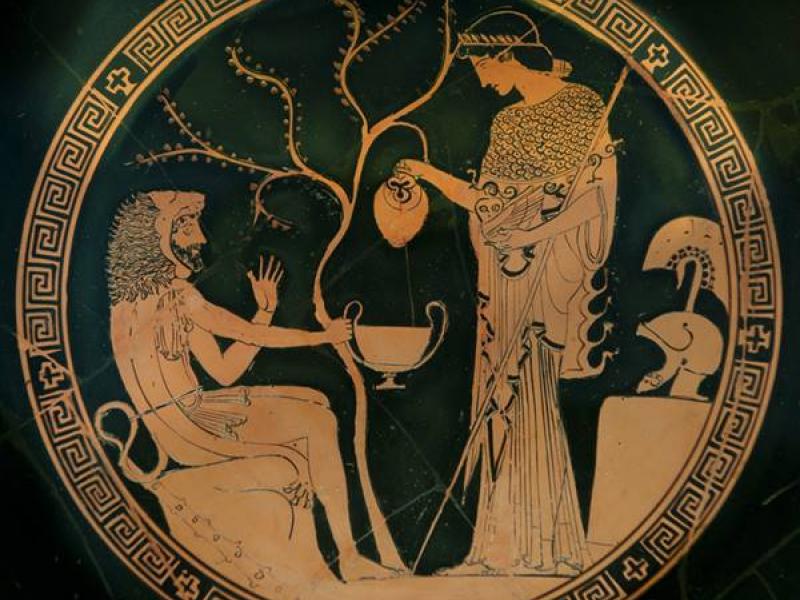
  • The Greeks called it the “nectar of the gods.” Yes, the same gods who caused war, jealousy, and questionable family dynamics.. so you know mead made an impression.
  • In Celtic cultures, mead was the drink of kings. No coronation or celebration was complete without it. If you were important, you drank mead.

It was also considered medicinal. People genuinely believed mead could cure sadness, nerves, stomach problems, and possibly broken hearts. Honestly, relatable.

mead goes medieval

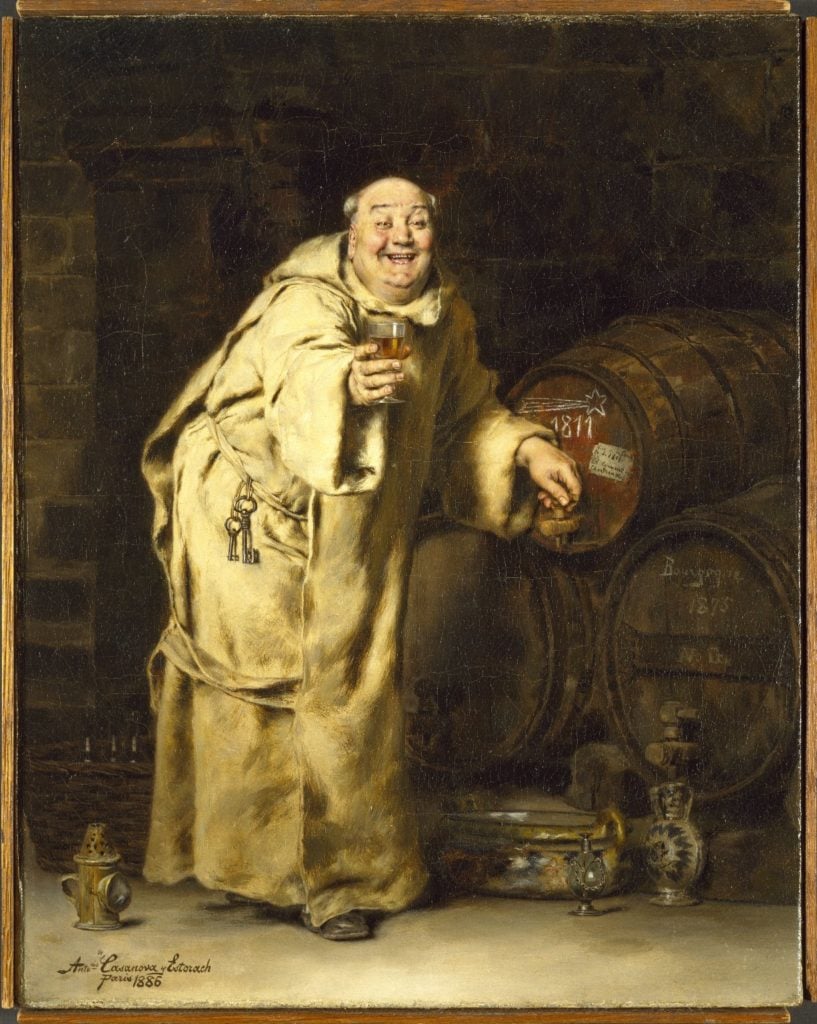
In medieval Europe, mead hit its peak. Monks, royalty, and peasants. Everyone wanted a piece of the honey magic.

Honey was pricey, so mead became synonymous with luxury. Taverns offered cheap versions mixed with herbs, while monasteries created meads so complex that modern craft brewers still try to recreate them.

Fun fact: the term “honeymoon” comes from mead. Newlyweds were once given a month’s worth of honey wine to boost fertility and happiness. Whether it worked or not is still up for debate, but the tradition? Iconic.

the downfall (blame sugar & beer)

Mead’s fall from the throne was dramatic. As trade routes expanded and sugar became affordable, honey lost its spot as the main sweetener. Beer became cheaper and easier to make. Wine got classier and more accessible. And mead quietly slipped into the background like a forgotten medieval celebrity.

Honey stayed special, but mead? People just… moved on.

the sweet comeback

Fast-forward to today and mead is thriving again, thanks to craft brewers, cocktail culture, and people on the internet discovering that Vikings drank it so it must be cool.

Modern meaderies (like us!) experiment with:

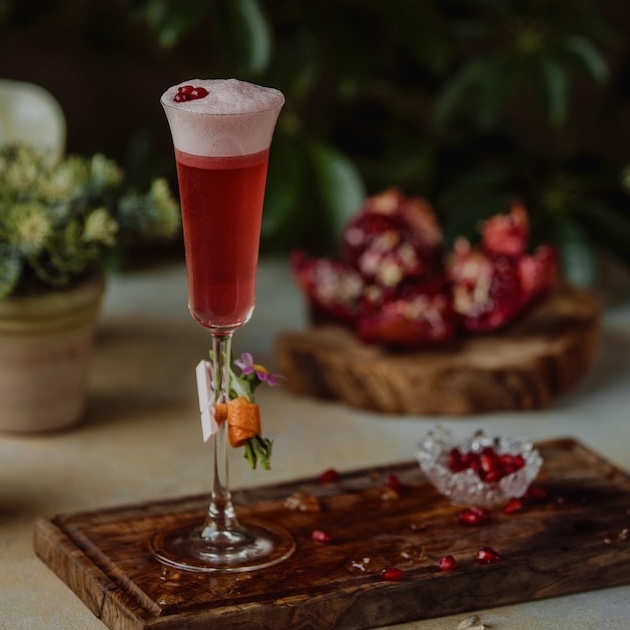
  • fruit-forward melomels
  • crisp session meads
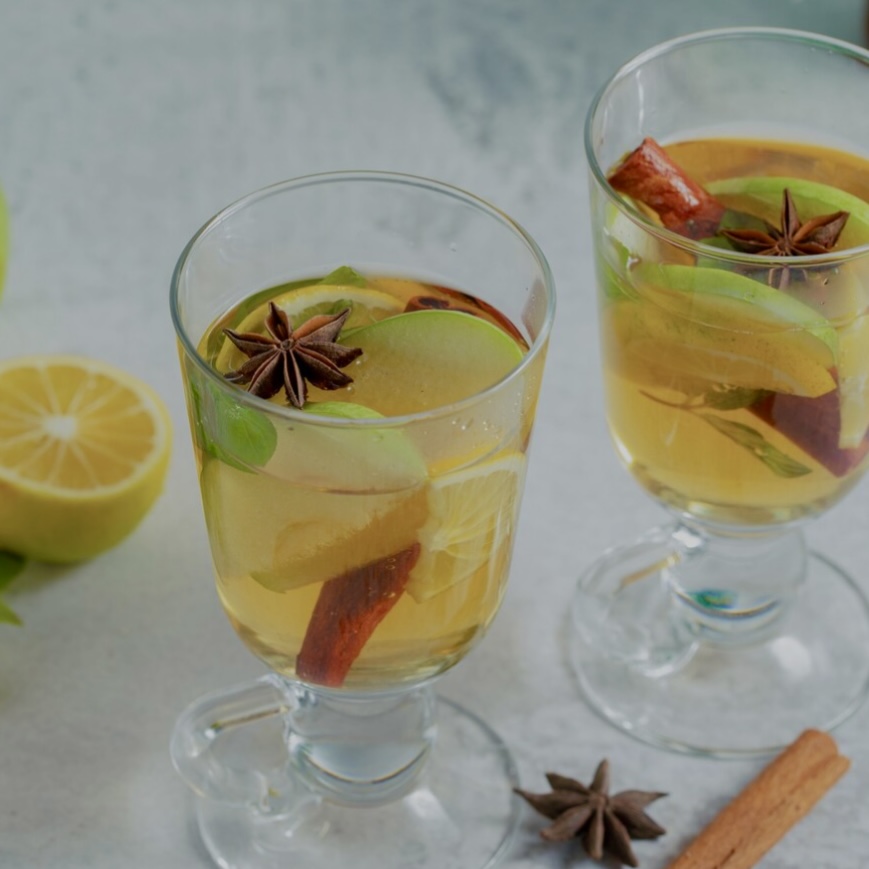
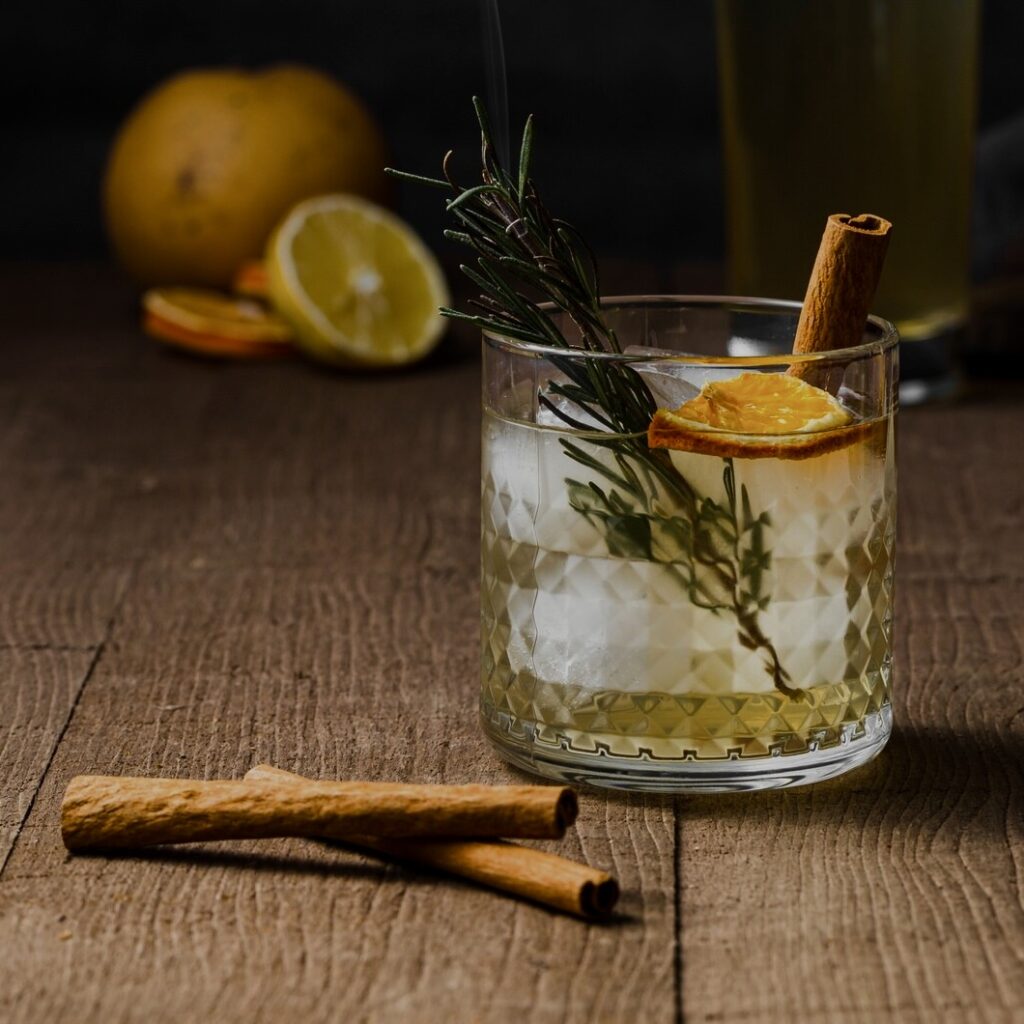
  • spiced, wintery varieties
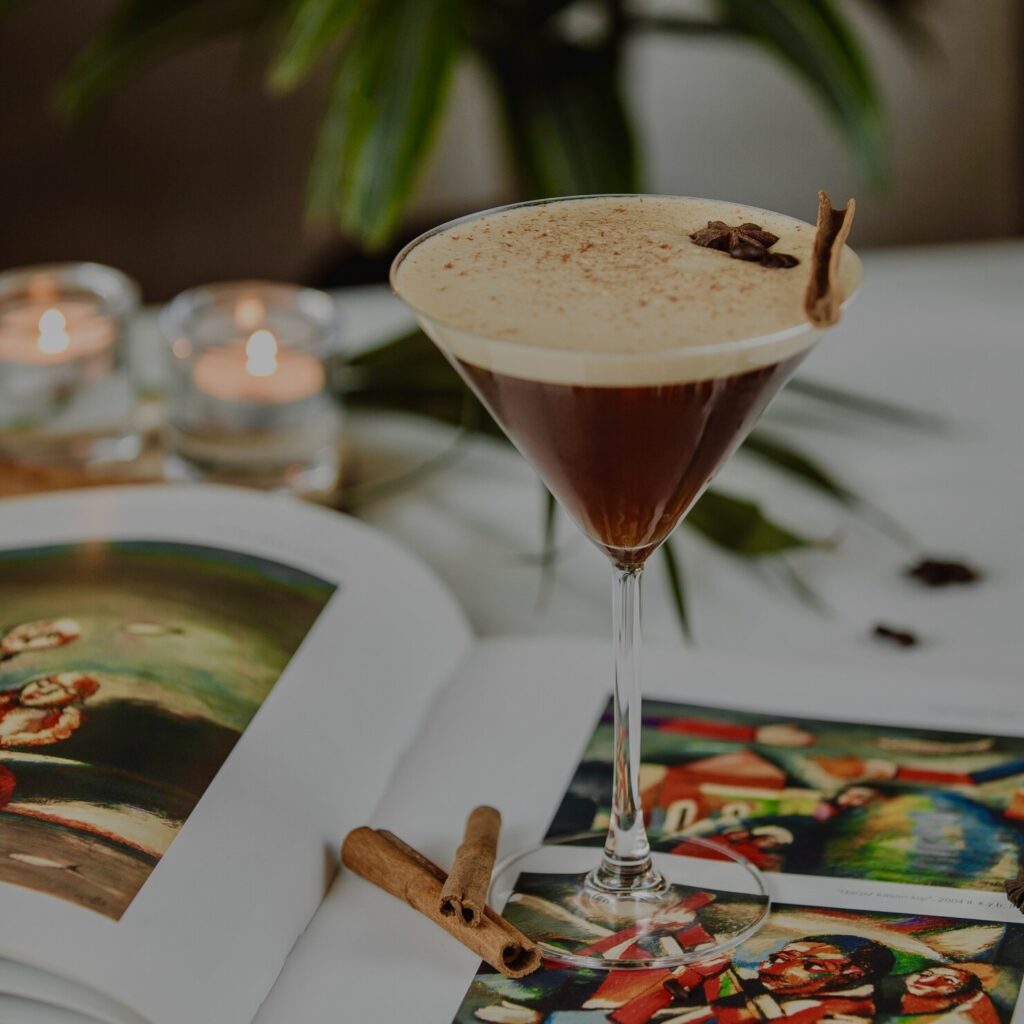
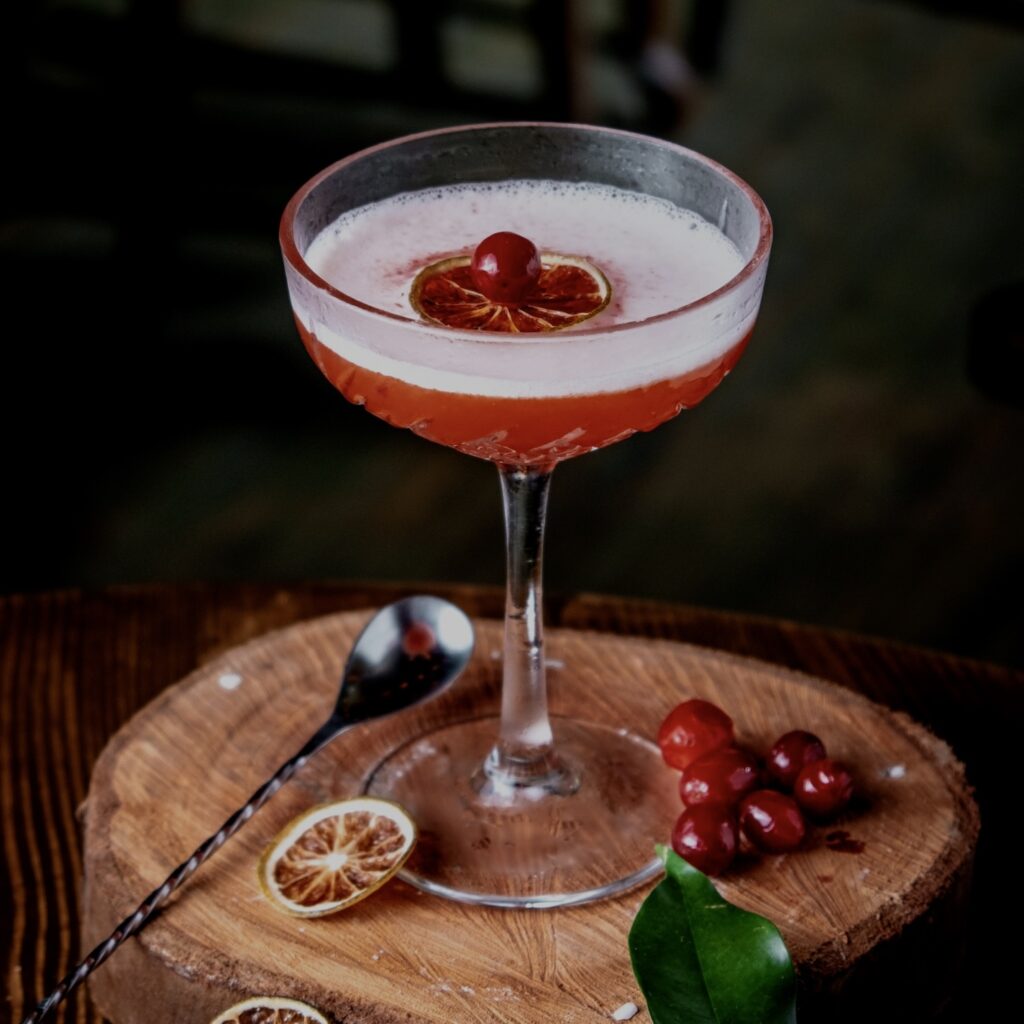
  • cocktail-style blends

It’s a renaissance of creativity, and mead is finally getting the spotlight it deserves. Some might say it’s the perfect blend of ancient tradition and modern vibes.

why mead still matters

Mead is storytelling. It’s nostalgia. It’s history in a glass. It connects us to people who lived thousands of years ago, all through the simple magic of honey and fermentation.

Whether you drink it warm, cold, spiced, fruity, sparkling, or strong enough to change your night… you’re sipping the world’s oldest love potion. And honestly? That’s pretty sweet.

from jar to bar: how we make our mead

Mead is one of the oldest alcoholic drinks in the world, and it’s surprisingly simple at its core. But don’t let that fool you. Behind every golden sip is a careful process that blends science, patience, and a little bit of magic. If you’ve ever wondered how honey turns into a delicious, drinkable mead, here’s a behind-the-scenes look, step by step.

Step 1: Choosing the Honey
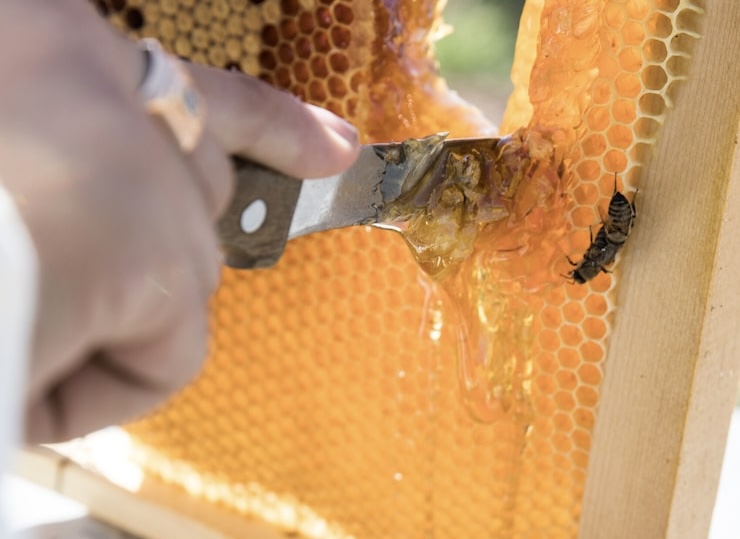
Everything starts with the honey. Not all honey is created equal. Some are mild and floral, others rich and robust. The flavour of your mead depends heavily on this choice, so selecting the right honey is crucial. Some mead makers even blend varieties to create a more complex base.

Step 2: Preparing the Must
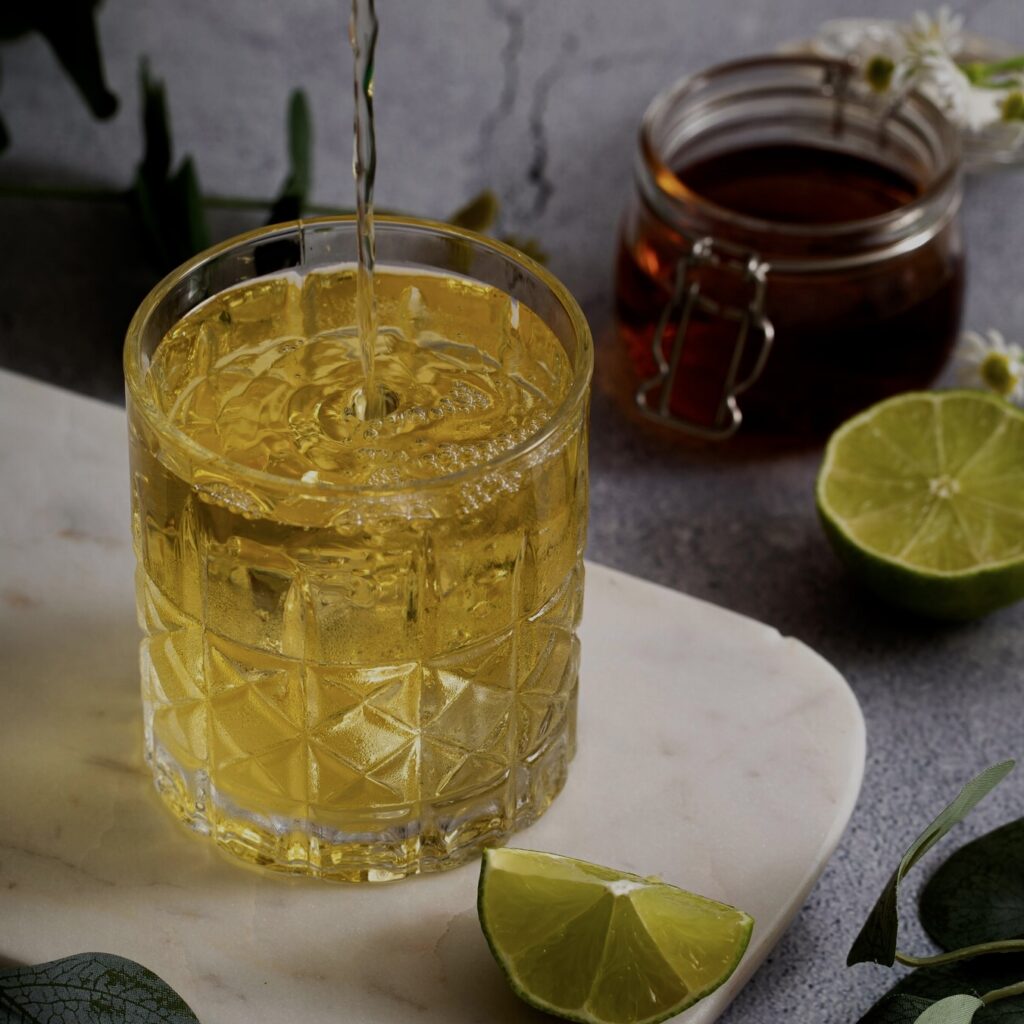
Once the honey is chosen, it’s time to create what’s called the must. This is simply honey mixed with water, usually in a specific ratio to control sweetness, alcohol content, and texture. Stirring the must well ensures the honey dissolves completely and evenly, forming a smooth, golden liquid that’s ready for fermentation.

Step 3: Yeast Selection and Addition
Next comes the yeast, the tiny living organism that turns sugar into alcohol. Choosing the right strain is important because different yeasts can produce slightly assorted flavours and aromas. Once added to the must, yeast begins its work slowly, consuming the sugar and producing alcohol, carbon dioxide, and subtle flavour compounds that give mead its character.

Step 4: Fermentation
Fermentation is where the magic truly happens. Depending on the style of mead, this can take a few weeks to several months. Patience is key. During this time, the mixture is kept at a stable temperature and often tasted occasionally to track progress. The yeast works quietly, transforming the sweet honey liquid into a smooth, drinkable mead.

Step 5: Racking and Clarifying

Once fermentation slows down, it’s time to rack the mead, meaning to transfer it off the sediment left behind by the yeast. This helps clarify the mead and ensures a cleaner taste. Some mead makers repeat this step multiple times over several months to achieve a crystal-clear final product.

Step 6: Flavoring

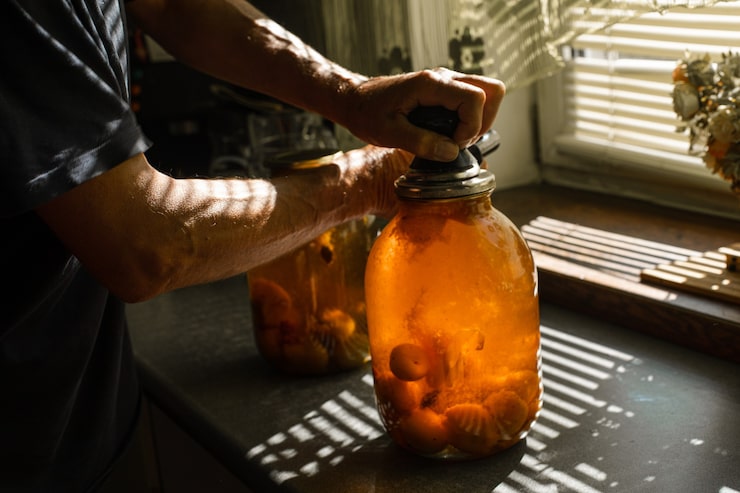
Here’s where things get fun. After our mead is ready, we add fruits, herbs, and/or spices to enrich the flavour.

Step 7: Bottling and Aging
Finally, the mead is bottled. Some meads are ready to drink right away, while others benefit from a little extra aging to mellow the flavors. Once bottled, the mead continues to evolve slowly, just like a fine wine, gaining subtle depth and smoothness over time.

Step 8: Enjoying
And finally… the best step: drinking it. Whether neat, chilled, or mixed with your favorite drops, the result is a golden, honeyed beverage full of history, flavor, and personality.

Making mead is a blend of science and art. It takes patience, attention to detail, and a little bit of experimentation. But the reward? A drink that’s not only delicious but steeped in tradition, with endless possibilities for creativity. Next time you sip a mead, you’ll know exactly how those golden drops came to life.